

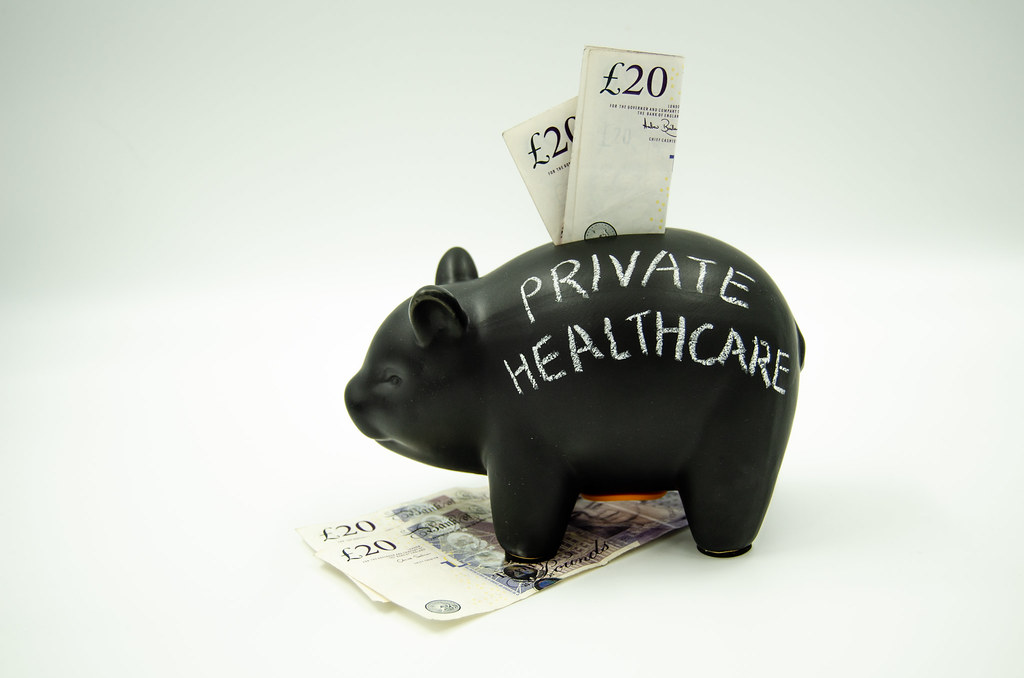
 Photo par forthwithlife via Flickr (CC BY 2.0)
Choosing the best savings account in France in 2026 depends on eligibility for the LEP, the amount of capital available and the desired duration. With rates gradually declining, it is more useful than ever to distinguish regulated savings accounts, exempt from tax, from boosted bank savings accounts, attractive in the short term but subject to the flat tax.
Regulated savings accounts: LEP, Livret A and LDDS in 2026
Regulated savings accounts are overseen by the French government. Their rate is set by decree, their interest is exempt from income tax and social contributions, and they can be opened at any bank.
The Livret d’Épargne Populaire (LEP)
The LEP shows a rate of 2.5% net since 1 January 2026. It is the best-paying regulated savings account, but it is subject to income conditions: the household’s fiscal reference income must not exceed 37,094 euros for one share (2026 scale). The contribution ceiling is set at 10,000 euros.
For an eligible household, the LEP should be the first envelope to top up before any other savings account.
The Livret A: accessible to all
The Livret A is open to all tax residents in France, with no income conditions. Its rate is 1.7% net since February 2025, capped at 22,950 euros in contributions. Interest is tax-exempt and available at any time.
It is the go-to safety net for liquid precautionary savings. Each individual can only hold one Livret A.
The LDDS: a complement to the Livret A
The Livret de Développement Durable et Solidaire (LDDS) shows the same rate as the Livret A (1.7% net), with a lower cap of 12,000 euros. It is reserved for adults domiciled in France. It offers no higher yield, but it allows tax-exempt savings capacity to be increased beyond the Livret A ceiling.
Boosted bank savings accounts: attractive in the short term, read the fine print
Unregulated bank savings accounts (also called boosted accounts or standard savings accounts) are offered freely by banks. They are not subject to any contribution cap but their interest is taxed at the flat rate (PFU) of 30%.
The boosted rate mechanism
Many banks in 2026 offer introductory rates for new customers. Monabanq, for example, offers 5% gross for 3 months for new customers, like other players such as Distingo Bank, Zesto or Placement-Direct.
The short-term appeal is real, but the annualised rate after tax must be calculated. A gross rate of 5% for 3 months returns approximately 1.25% gross per year, i.e. approximately 0.88% net after PFU over the boosted period. Beyond that, the base rate often falls below 1% gross.
When boosted savings accounts become interesting
Bank savings accounts become interesting when the Livret A and LDDS are already at their ceiling and precautionary savings exceed 34,950 euros (22,950 + 12,000 euros). In this case, the surplus can legitimately be placed in a boosted bank savings account in the short term, while a more structured wealth allocation is being defined (a retirement savings plan (PER) or life insurance will take over for long-term savings).
Comparison of the best savings accounts in France 2026
| Account | 2026 Rate | Cap | Tax treatment | Conditions |
|---|---|---|---|---|
| LEP | 2.5% net | 10,000 euros | Exempt | Income ceiling |
| Livret A | 1.7% net | 22,950 euros | Exempt | None |
| LDDS | 1.7% net | 12,000 euros | Exempt | Adults only |
| Boosted bank account | 3 to 5% gross (3 months) then 0.80-1% | Unlimited | PFU 30% | New customer |
| Standard bank account | 0.80 to 1% gross | Unlimited | PFU 30% | None |
Regulated rates in effect on 1 May 2026. Boosted offers are indicative and vary by institution.
How to choose your savings account according to your profile
The natural hierarchy depends on three factors: eligibility for the LEP, the amount of savings available and the investment horizon.
If you are eligible for the LEP: open the LEP first up to the 10,000 euro cap. It is the highest tax-free, risk-free return available.
If your LEP is already full (or if you are not eligible): top up the Livret A to 22,950 euros, then the LDDS to 12,000 euros. This gives tax-free liquid savings of 22,950 to 34,950 euros.
If your precautionary savings exceed 35,000 euros: part of it can be placed in boosted bank savings accounts in the short term, but it is more relevant to look at capitalisation envelopes such as life insurance or the PER for the long term. The French income tax bracket 2026 directly influences the attractiveness of the PFU on taxable savings accounts.
For precautionary savings: aim for the equivalent of 3 to 6 months of fixed costs in liquid savings accounts (Livret A or LEP). Beyond that, savings benefit from being invested in more rewarding vehicles.
Tax treatment of savings accounts: what to know before choosing
Tax treatment is a determining factor when comparing savings accounts.
Regulated savings accounts (Livret A, LDDS, LEP, Livret Jeune) benefit from full exemption: neither income tax nor social contributions (17.2%) apply to interest. The quoted rate is the real net rate.
Unregulated bank savings accounts (savings accounts, boosted accounts) are subject to the PFU of 30% (12.8% income tax + 17.2% social contributions). A gross rate of 4% therefore corresponds to a net rate of 2.8% after PFU. For households in the 11% or lower marginal income tax bracket, it is possible to opt for the progressive scale, which may be more favourable.
Frequently asked questions
Which savings account pays the most in France in 2026?
For eligible households, the Livret d’Épargne Populaire (LEP) is the most profitable with a rate of 2.5% net of tax since January 2026. For non-eligible households, the Livret A (1.7% net) remains the tax-exempt option, followed by boosted bank savings accounts with a higher temporary rate but subject to the flat tax.
What is the difference between the Livret A and the LEP?
The Livret A is open to everyone, capped at 22,950 euros, with a tax-exempt rate of 1.7% net. The LEP is reserved for households whose tax income does not exceed a threshold defined each year (37,094 euros of fiscal reference income for one share in 2026), it is capped at 10,000 euros but pays 2.5% net, almost 50% more than the Livret A.
Are savings account interest payments taxable in France?
Regulated savings accounts (Livret A, LDDS, LEP, Livret Jeune) are completely exempt from income tax and social contributions. Unregulated bank savings accounts (boosted accounts, standard savings accounts) are subject to the flat tax (PFU) of 30%, which significantly reduces their real net return.
Can you hold multiple savings accounts at the same time in France?
Yes, limited to one account per type of regulated savings account per person. Each member of a tax household can open a Livret A, a LDDS and, if eligible, a LEP. However, only one Livret A is allowed per person, and only one LEP. Unregulated bank savings accounts are not subject to any limit in number or cap.