


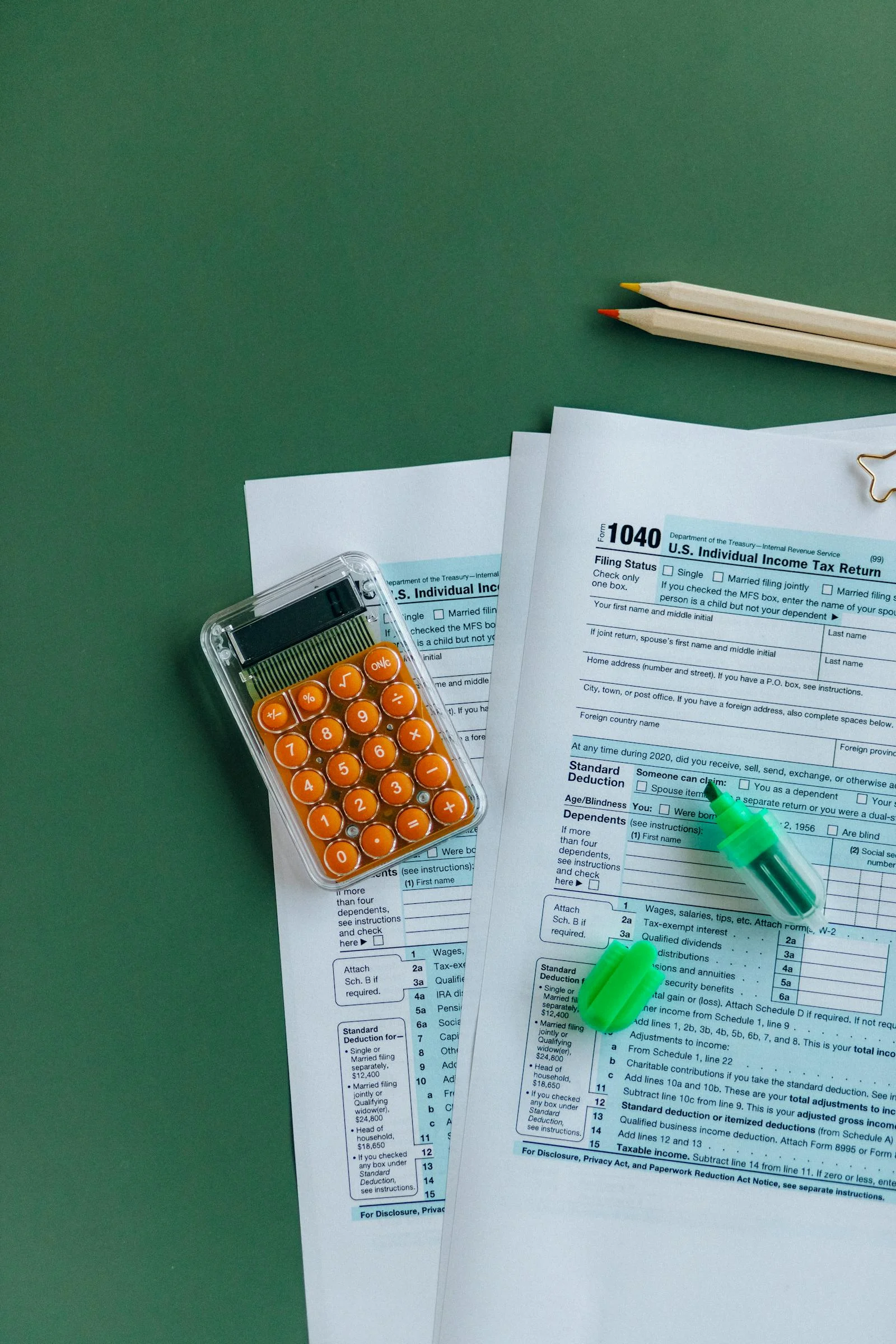
 Photo: Pexels
- 2026 income tax scale revalued by 0.9 percent
- Brackets: 0 percent up to 11,600 euros, 11 percent, 30 percent, 41 percent, 45 percent
- Applicable to 2025 income declared in 2026
- Goal: neutralise inflation on taxation
- Limited gain, excluding changes to tax loophole caps
The 2026 French Finance Act, promulgated on February 19, 2026, revalued the income tax scale by 0.9 percent to follow inflation. This technical update has a concrete impact on the tax of millions of French households. Here is the detail of the new brackets and worked cases.
The new 2026 scale in detail
Applicable to income received in 2025 and declared in spring 2026:
| Income bracket | Applicable rate |
|---|---|
| Up to 11,600 euros | 0 percent |
| From 11,601 to 29,579 euros | 11 percent |
| From 29,580 to 84,577 euros | 30 percent |
| From 84,578 to 181,917 euros | 41 percent |
| Beyond 181,917 euros | 45 percent |
Why this revaluation?
The government’s goal is to neutralise the effects of inflation on household taxation. Without revaluation, an employee whose salary increases by 1 percent due to inflation would artificially move to a higher bracket and see their tax increase without real purchasing power gain.
The 0.9 percent revaluation corresponds to anticipated inflation for the 2025 tax year.
Worked case 1: single employee at 35,000 euros
A single employee who received 35,000 euros of taxable net salary in 2025:
- Net taxable income: 35,000 - 10 percent professional fees = 31,500 euros
- 0 percent bracket: 11,600 euros → 0 euro
- 11 percent bracket: from 11,601 to 29,579 = 17,979 euros → 1,977.69 euros
- 30 percent bracket: from 29,580 to 31,500 = 1,920 euros → 576 euros
- Tax due: 2,553.69 euros
In 2025 (2024 income), with the non-revalued scale, the tax was slightly higher for the same income, a gain of around 30 to 40 euros.
Worked case 2: couple with 2 children, 70,000 euros
A married couple with 2 children (3 tax units) who received 70,000 euros of net income in 2025:
- Income per unit: 70,000 / 3 = 23,333 euros
- 0 percent bracket on 11,600 euros
- 11 percent bracket on 11,733 euros = 1,290.63 euros per unit
- Total tax before multiplication: 1,290.63 euros
- Household tax: 1,290.63 x 3 = 3,872 euros
The revaluation brings a gain of about 50 euros for the year.
Impact on scale-linked tax caps
The 0.9 percent revaluation also affects the following caps:
- Family quotient cap: mechanically increased
- PER deduction cap: raised by 0.9 percent
- CSG thresholds: revalued
- Income exemption caps (apprentices, students)
Who pays more, who pays less in 2026?
Examples:
- Stable income: slight reduction in tax due
- Income up 1 percent: almost stable tax
- Income up 3 percent: tax up, but mitigated by the bracket shift
- Income down: tax down, enhanced by the revaluation
And what about tax loopholes?
The scale revaluation does not change the global tax loophole cap, which remains at 10,000 euros per year. However, several tax relief schemes see their own caps raised:
- PER: deduction cap raised by the PASS effect
- Donations to organisations: 50,000 euros cap for IFI unchanged
- FIP and FCPI: cap of 12,000 euros per single person, 24,000 euros for a couple, unchanged
To explore these schemes, see our articles on PER retirement plan guide and FIP and FCPI.
Optimisation strategies for 2026
- Anticipate PER contributions before December 31, 2026 to maximise deduction
- Smooth exceptional income to avoid bracket jumps (bonuses, capital gains)
- Check flat tax or scale choice for capital income
- Optimise family quotient based on available units
For complex situations, mixed income, company directors or freelancers, personalised tax support makes a real difference. Accounting firms such as In Extenso advise entrepreneurs on their personal as well as business taxation.
Useful links
PER retirement plan guide, Understanding IFI 2026, Jeanbrun scheme, FIP and FCPI, Glossary.